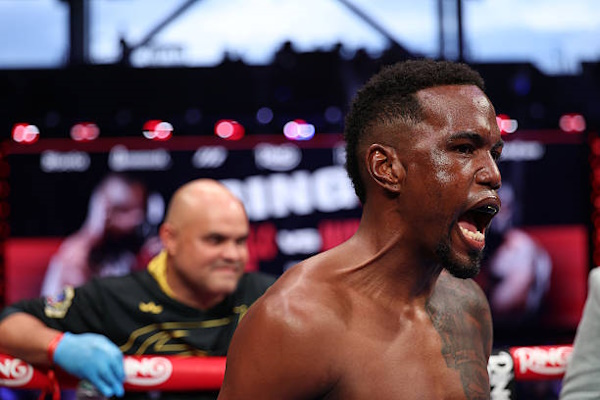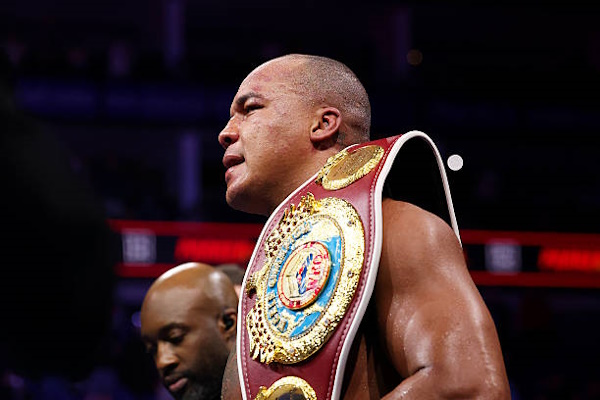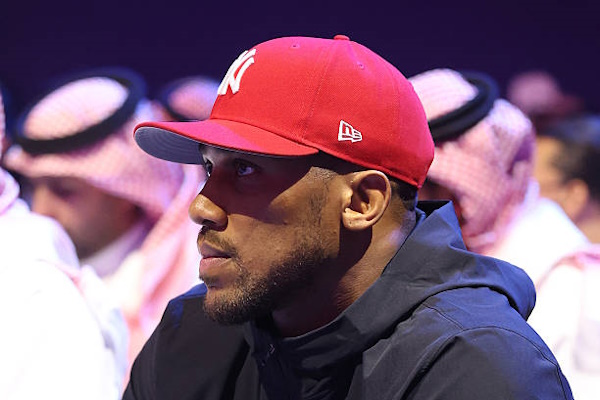

Riyadh Season head and The Ring owner Turki Alalshikh is in the midst of changing the course of broadcasting in boxing as the Saudi chairman reveals DAZN will be no longer be broadcasting pay-per-view (PPV) shows starting November. With the upcoming November 22nd The Ring show set to herald in these new changes, a new era in boxing has potentially arrived as the convenience and accessibility of streaming seems to have trumped the longstanding model of PPV fights.
The history of PPV in boxing span for roughly eight decades, first beginning with closed-circuit television in the late 1940s which allowed significant boxing fights to be broadcasted in limited venues such as arenas and stadiums. In the 1960s to 1970s, this model reached peak viewership due to the likes of Muhammad Ali.
Throughout this time, the PPV model gradually became featured in households across America ― with the first-known PPV cable television broadcast eventually finding success with the 1960 rematch between Floyd Patterson and Ingemar Johansson.
In the 1980s, the efforts of WWE owner Vince McMahon to promote professional wrestling largely helped PPV become mainstream and allowed television companies such as HBO to eventually corner the boxing market when it came to PPV, reaching its peak viewership in the 2000s due to most prominently Oscar De La Hoya, Manny Pacquiao and Floyd Mayweather Jr.
Despite being instrumental in breaking records when it came to PPV viewership in boxing and introducing PPV to a mainstream audience, HBO would ironically become the catalyst to the PPV model’s decline after one of its most popular PPV shows, HBO Boxing which first premiered in 1973, aired its last broadcast in 2018.
Having already began on the decline before HBO Boxing’s disbandment, the PPV model would never regain the glory it experienced in the mid-to-late 2000s as fight cards that were not significant or interesting enough to be featured on PPV began becoming more prominent.
Premier Boxing Champions (PBC) has largely contributed to this decline, its many expensive PPV shows often ending up showcasing cards driven by its main eventers yet featuring poor undercards ― and in some instances even main events as the top-billed fighter faced against opponents who were arguably not PPV-worthy.
In 2018, the same year that HBO Boxing ended, streaming became a significant contributor to broadcasting through global streaming service DAZN which began on solid footing as its boxing cards became available through subscription ― allowing subscribers to view the biggest events without needing to pay extra.
Founded on the principle of being an alternative to PPV events through its subscription model, DAZN eventually shifted away from this very same model as it signaled a change with the signing of arguably the sport’s most well-known fighter; Canelo Alvarez (63-2-2, 39 KO’s).
Signing the fighter to an 11-bout contract, Alvarez’ 2022 bout against Dmitry Bivol (24-1, 12 KO’s) became the first boxing PPV event DAZN would hold ― though at the time the PPV model was not yet streamlined for every country and its list of subscribers.
As the years passed, it became clear that Alvarez’ high demands for a payday forced DAZN to make up for the fighter’s salary by enforcing the model across that of other fight cards until it became a regular occurrence for cards deemed significant enough. This continued even after Alvarez’ departure from DAZN towards PBC in the summer of 2023, though a notable downtick in DAZN’s PPV shows perfectly coincided with Turki Alalshikh who began getting more involved in boxing around the latter quarter of 2023 as the first Riyadh Season show held featuring Tyson Fury and Francis Ngannou as the headliners came to fruition.
Roughly two years later, Alalshikh’s influence has only expanded since then, no doubt helped by his acquisition of boxing magazine turned media mogul The Ring ― which hosted its own first boxing event on April 26th which was main-evented by Chris Eubank Jr. and Conor Benn.
Known for using DAZN as a primary broadcaster for his Riyadh Season and The Ring shows, Turki Alalshikh has now transcended expectations by convincing the global streaming company to abandon its PPV model starting November of this year:
“Great meeting with my brother Shay, CEO of DAZN. We have big vision to grow boxing and decide: No More Pay-Per-View,” Turki Alalshikh announced yesterday on social media.
“Starting with our [The Ring] show in November, all Riyadh Season & The Ring events will be free to DAZN subscribers. The PPV model has damaged boxing, and we will no longer support it. We are with the fight fans.“
This non-PPV model is set to commence with the upcoming November 22nd event that will be headlined by David Benavidez and Anthony Yarde, though prior The Ring or Riyadh Season events ― including this week’s July 19th Riyadh card featuring Oleksandr Usyk and Daniel Dubois ― will still be available on PPV.
Instrumental in this endeavor appears to have been DAZN CEO Shay Segev, an Israeli businessman, who together with Alalshikh has reverted to DAZN’s original model that allowed it to make the impact it had in the late 2010s and early 2020s, bolstered by prominent fighters such as Anthony Joshua (28-4, 25 KO’s) who arguably the face of DAZN during this period – manifested through the money-spinning deal Joshua would sign with the broadcaster in 2022.
With Turki Alalshikh having spurred a plethora of fight cards as competitive as they would become significant through Riyadh Season and The Ring’s events, boxing has unexpectedly stumbled upon a glistening new period as the model now allows DAZN to set forth on its goal to become the “Netflix of sports” it has aimed to be since its inception.
Notably, it is unlikely the boxing promotions aligned with DAZN will deviate from the PPV model, with the non-PPV trend only expected to be implemented for The Ring and Riyadh Season events.